From Old Tanks to Smarter Systems: A Practical Guide to Septic System Types and Upgrades
Nobody thinks about their septic system until something goes wrong. Then suddenly you’re dealing with backed-up toilets, mysterious odors, or worse—standing water in your yard where it definitely shouldn’t be.
If you live in Oregon, especially outside city limits where municipal sewer lines don’t reach, your septic system is working behind the scenes every single day. The catch? Tanks installed back in the ’80s or ’90s were built for a completely different world than the one we’re living in now.
The U.S. Environmental Protection Agency estimates that over 60 million Americans rely on septic tank systems, with many of them living in smaller cities and semi-rural areas like Florence, Eugene, Salem, and Springfield. That’s a whole lot of people trusting underground infrastructure they can’t see and probably don’t understand.
Understanding how your system actually works—and catching problems before they become expensive disasters—protects your home, your groundwater, and your sanity. Let’s walk through it.
How Traditional Septic Tanks Work
Traditional septic tank systems aren’t complicated. Gravity does most of the work.
The basic process:
- Wastewater leaves your house, flows into the tank
- Heavy solids sink to the bottom (that’s sludge)
- Grease and oils float up top (that’s scum)
- The liquid in between flows out to your drainfield
- Soil filters out bacteria naturally
When everything’s sized right and maintained properly, this setup works great. The problems start when conditions change.
Why Older Systems Struggle Today
Think about how different households looked thirty years ago. Families were smaller. People used way less water. Nobody ran dishwashers twice a day or had multiple bathrooms going constantly.
Here’s what changed:
- Average household size increased
- Daily water use per person jumped from 50 gallons to 80-100 gallons
- High-efficiency appliances came along (which actually use MORE water overall when you factor in frequency)
- Multiple showers, laundry loads, and dishwasher cycles became the norm
Your old tank? It wasn’t designed for any of this.
Then vs. Now: What Changed
Oregon’s rainfall patterns aren’t helping either. Heavier storms, longer dry periods—these swings put extra stress on systems that were already pushing their limits.
Typical Septic System Lifespan by Component
Not all parts of your septic tank system age the same way. Some of the last decades. Others? Not so much.
Source: EPA septic system maintenance guidelines
Main Types of Modern Septic Systems
Modern septic tank systems are built to handle higher loads, tricky soil, and way stricter environmental rules than older tanks ever faced.
Source: EPA Septic System Technology
Why upgrade?
- Better treatment means fewer contaminants reaching soil and water
- Less environmental damage to surrounding properties
- Longer lifespan with way fewer emergency repairs
- Works on difficult lots where old systems would fail
Signs Your Old System May Be Due for an Upgrade
Septic tank systems rarely fail overnight. They give you warning signs—sometimes for months—before things get really bad.
Watch for these:
- Drains are moving more slowly than they used to, no matter what you try
- Sewage smells inside or outside that won’t go away
- Water pooling near your drainfield (huge red flag)
- Super green, lush grass growing over your septic area
- Needing to be pumped way more often than before
- Strange gurgling sounds from toilets or drains
Got a system that’s 25-30 years old? These signs aren’t “maybe someday” problems. They’re “get this checked now” problems.
A Quick Reality Check
According to the EPA , most septic failures happen because systems weren’t built for how much water we actually use now. That tank installed in 1985 had no idea your family would be running three loads of laundry, two dishwasher cycles, and multiple showers every single day.
What Ignoring Problems Actually Costs
Fixing small issues early saves you thousands compared to waiting until your system completely fails. And trust me, it will fail eventually.
Key Benefits of Upgrading Your Septic System
Upgrading isn’t just about fixing what’s broken. It’s about not having to fix things constantly going forward.
What you get immediately:
- Plumbing that actually works when you need it
- No more mystery smells ruining your yard
- Way less maintenance stress
- Drains that stay clear
What you get long-term:
- Groundwater stays clean (important if you or neighbors have wells)
- You’re compliant with current regulations
- Better property value when you sell
- Peace of mind when Oregon’s heavy rains hit
Oregon’s Department of Environmental Quality is pretty clear about this: working septic systems protect drinking water and local ecosystems. Modern systems treat wastewater way more thoroughly than old tanks ever could.
Choosing the Right System and Next Steps
There’s no magic septic tank system that works perfectly everywhere. What works for your neighbor’s flat lot with sandy soil won’t necessarily work for your sloped property with clay.
What pros look at:
- Your soil type and how fast water drains through it
- Where your groundwater sits (and where it goes during the wet season)
- How much space you’ve got and what the slope looks like
- How much water does your household actually use
- What shape is your current system in
Smart planning matters:
Sometimes you don’t need to replace everything. Maybe your tank’s fine, but your drainfield is shot. Maybe you can modernize how water gets distributed without digging up your entire yard. A good evaluation tells you what actually needs attention versus what can wait.
The key is getting accurate information about your specific property—not guessing based on what worked for someone else’s house three streets over.
The Final Takeaway: Building a Septic System That Lasts
Your septic system should be invisible. It should just work, quietly, without you worrying every time someone takes a shower.
Whether you’re watching an old system slowly fail or just planning ahead before problems start, knowing your options puts you back in control. For homeowners across areas like Florence, Salem, Eugene, and Springfield, understanding what’s actually happening underground is the first step. Getting it fixed properly is step two.
When handled by people who actually understand Oregon soil, rainfall patterns, and local regulations, septic upgrades protect your home and property for decades.
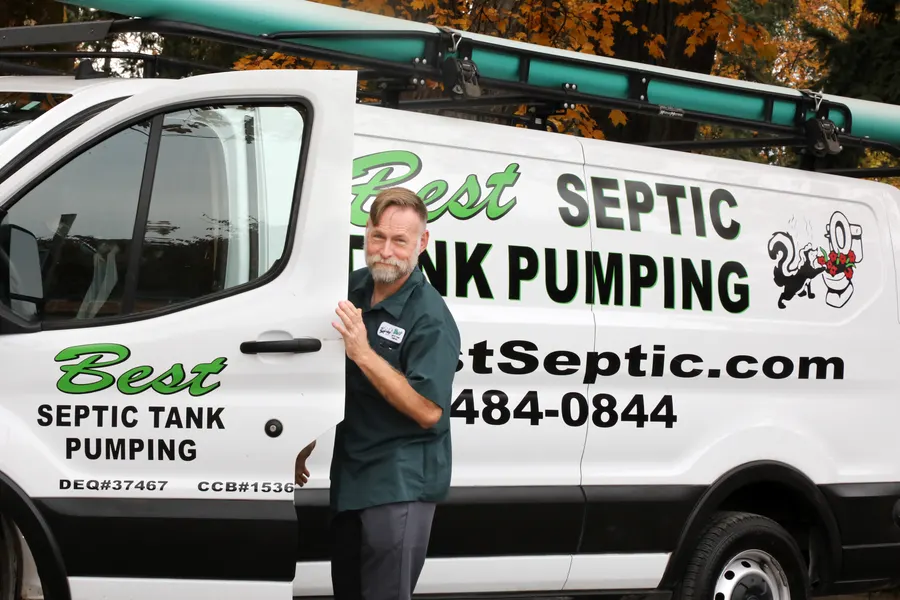
If you need experienced professionals who know the area, Best Septic Tank Pumping offers professional pumping, installation, inspection, and repair services for properties with septic tanks in Florence , Salem, Eugene, Springfield, OR , and surrounding areas. We can help make sure that regular maintenance keeps everything running smoothly—no surprises, no emergencies, just a system that works the way it’s supposed to.
For more information or to schedule a consultation, feel free to contact us at (541) 484-0844 .